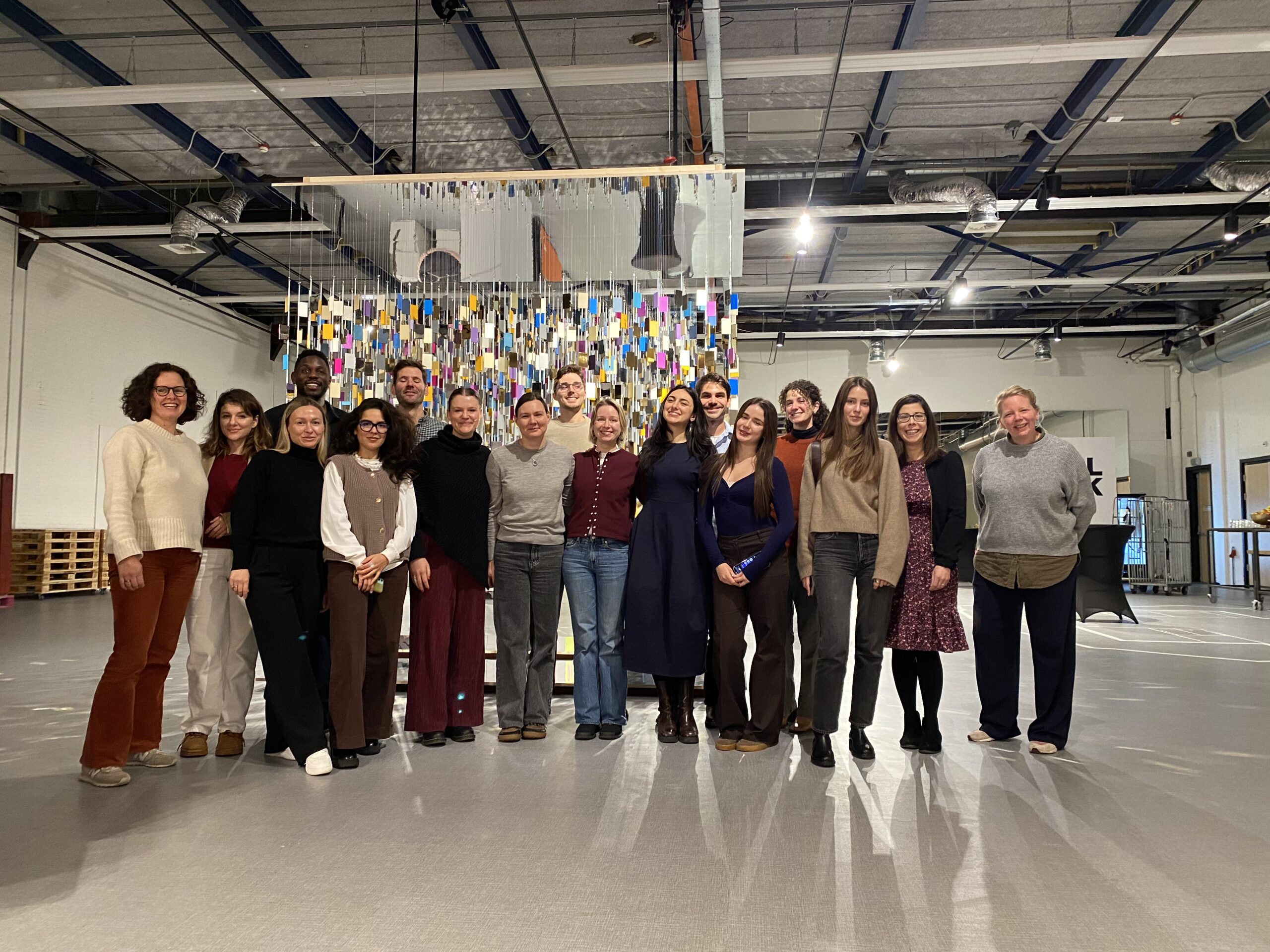
 This November, mentors, entrepreneurs, and advocates from across Europe gathered—first online, then in person in Amsterdam—for two interconnected workshops exploring how mentoring can support Ukrainian women rebuilding their careers and confidence in a new country.
The online session, “Mentoring for Resilience” (5 November), brought together practitioners from multiple countries for a deep dive into mentoring challenges drawn from real-life experiences. Using scenarios based on the NatAlli training modules, small groups explored questions around confidence loss, navigating unfamiliar systems, rebuilding leadership identity, and cultural communication.
As one participant reflected, “Everything starts with acknowledging the long-term trauma of displacement, because unless we name it, we risk assuming that short-term mentoring interventions can resolve something far deeper”
Many mentors stressed the importance of active listening, patience, and supporting women to take small steps toward renewed self-efficacy. Others highlighted practical insights: using storytelling, reframing CVs, or encouraging volunteering to build networks and confidence.
Two weeks later, on 18 November, we continued the conversation at Impact Hub Amsterdam with “Mentoring to Thrive”, a day filled with storytelling, shared learning, and community building.
We were honoured to hear a moving testimonial from Tetiana Kolodii, a Ukrainian mentor now supporting women across Denmark and Estonia using NatAlli. She shared how she structures her mentoring relationships:
“I always ask: ‘How can I help you right now?’ Then we make a small 30-60-90 day plan together. It’s about creating clarity, routine, and hope.”
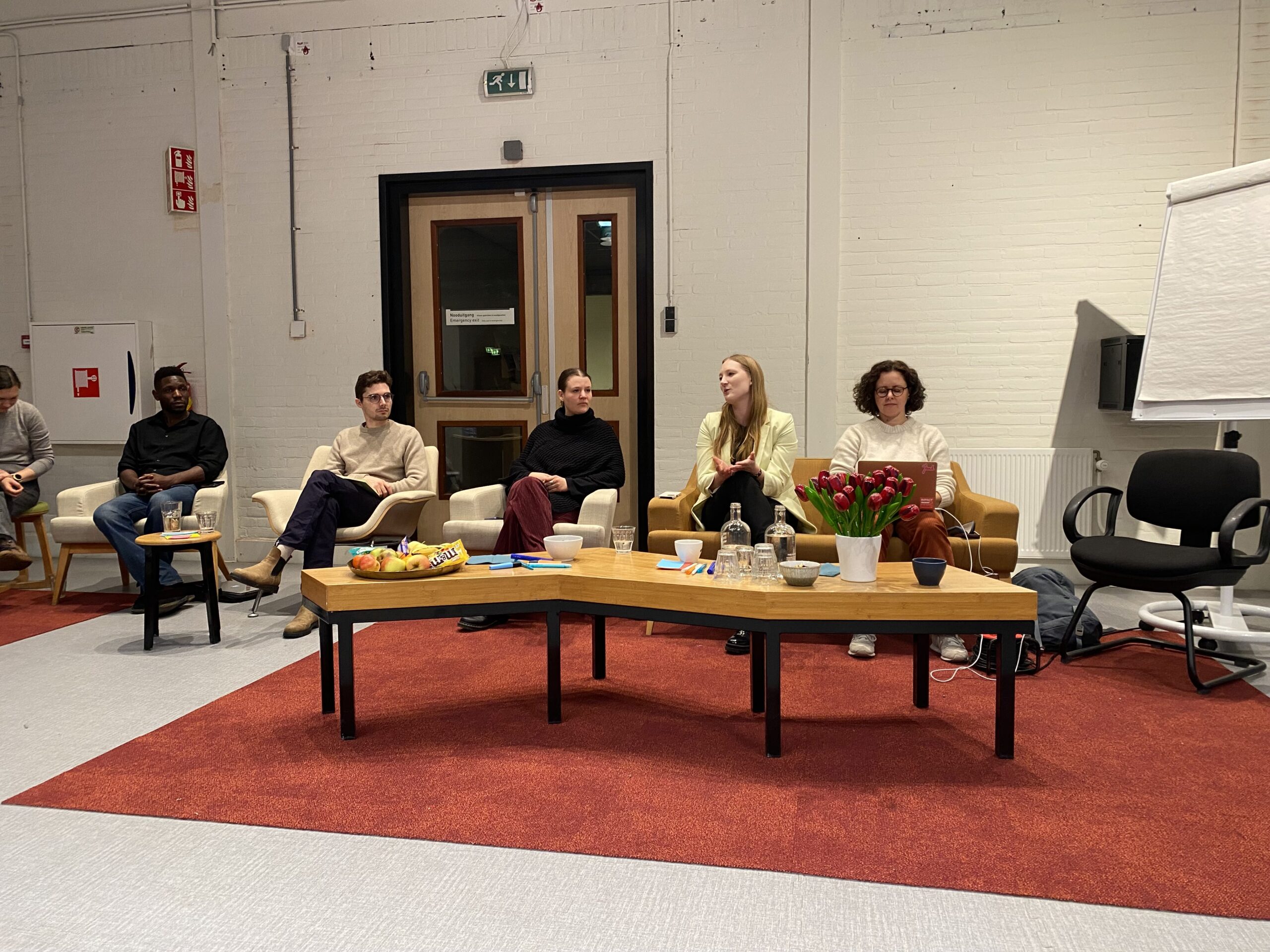
A roundtable of Dutch and Ukrainian speakers—including Ellen Schepers, Co-Founder and COO of KolenKitKoks, Quincy Dalh, Strategic Policy Advisor Labor Market, Innovation & Impact Ecosystems from the City of Amsterdam, and Ukrainian Pastry Chef and Entrepreneur Anna Sadovska—shed light on the realities Ukrainian and newcomer women face when navigating new labour markets. Ellen noted the value of practical opportunities and paid work, sharing:
“The most important thing we can give these women is a real chance. And getting paid for one’s work is a clear way to build confidence.”
Participants then rotated through World Café-style scenario discussions, exploring how to apply mentoring tools in real situations. These conversations drew on lived experience, from navigating Dutch tax systems, and obstacles to integration, to rebuilding leadership confidence after displacement, and underscored the collective resilience of the community.
The day closed with a networking borrel featuring catering by Amal, a Yemeni newcomer Chef and Entrepreneur via KolenKitKoks; a live example of what supportive mentoring and an entrepreneurial mindset can make possible.
Thank you to all who tuned in online and who joined us in Amsterdam for this special workshop series. Both events reaffirmed that: mentoring is most powerful when it is personal, practical, and grounded in a shared acknowledgement of one another’s humanity. And when Ukrainian women, mentors, and community organisations come together, they can create both pathways forward and a great sense of possibility.